Maintaining a consistent and regular pad-changing schedule is vital for keeping your skin healthy, comfortable, and odor-free. Follow this guide to understand how your flow, daily activities, and product guidance determine how often you should change your pad.
Monitor Your Flow and Absorbency
Adjust changing frequency based on heavy or light bleeding days and product absorbency limits.
Change Immediately When Damp
Replace your pad sooner whenever it feels wet, heavy, full, or uncomfortable, even if time hasn't elapsed.
Practice Proper Hand and Skin Hygiene
Always wash your hands before and after changes, and gently clean the intimate area with water.
Dispose of Used Products Responsibly
Wrap disposable pads neatly in trash wrapping before placing them into a designated waste bin.
Do
- Wash your hands thoroughly before and after changing your pad.
- Change your pad as soon as it feels wet, uncomfortable, or shows signs of leaking.
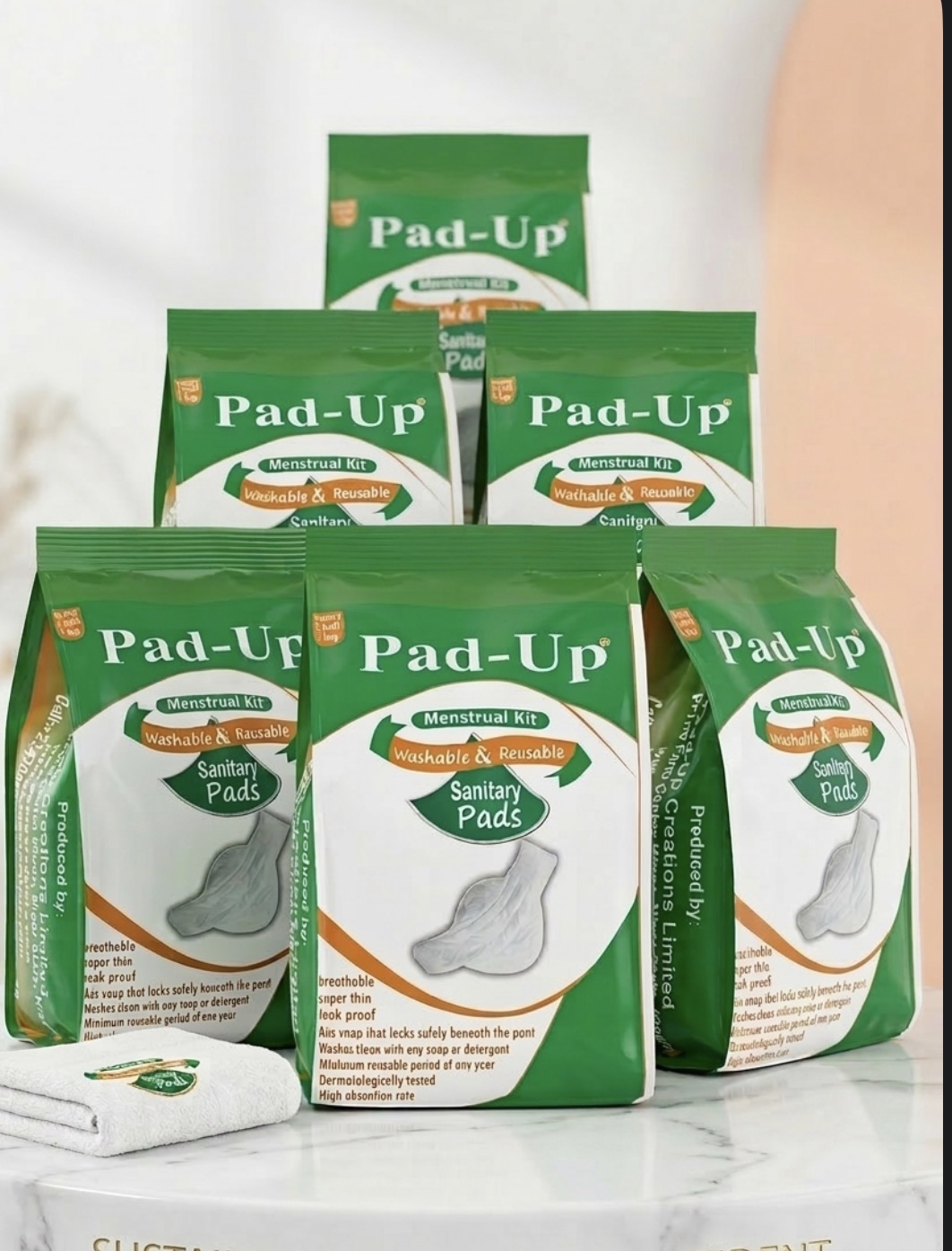
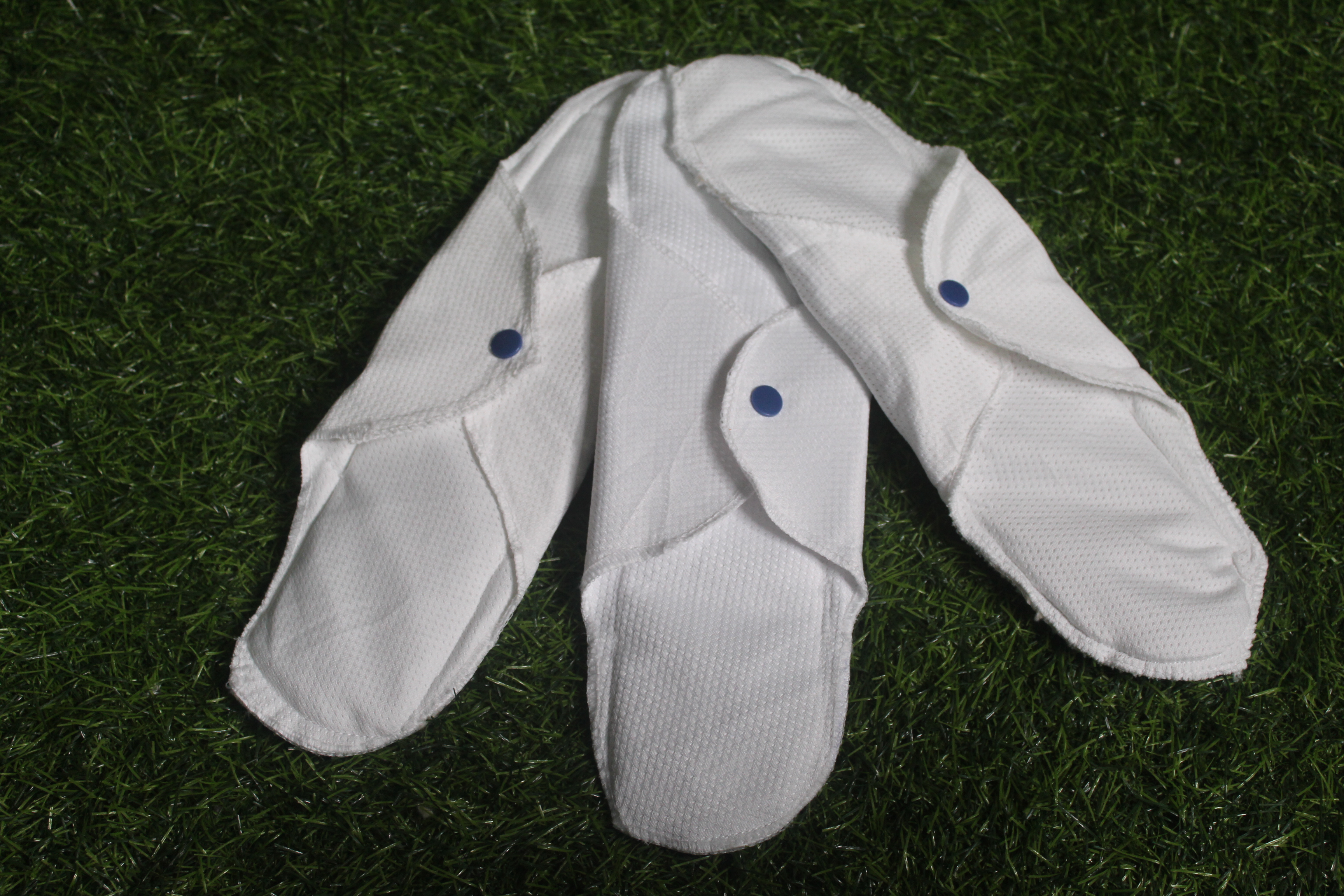
- Follow the specific manufacturer instructions and maximum wear times for Pad-Up products.
- Gently clean your external intimate area to prevent moisture and bacteria build-up.
- Consult a qualified healthcare professional if you experience persistent itching, burning, unusual odors, or skin sores.
- Carry extra Pad-Up products when traveling, working, or exercising.
Do not
- Do not leave a pad on for extended periods beyond recommended guidance.
- Do not allow moisture and blood to build up, which causes bacteria, chafing, and bad odor.
- Do not flush pads or hygiene wrappings down the toilet.
- Do not ignore persistent skin irritation, redness, or burning sensations.
- Do not stick strictly to a set hourly schedule when your flow demands an immediate change.