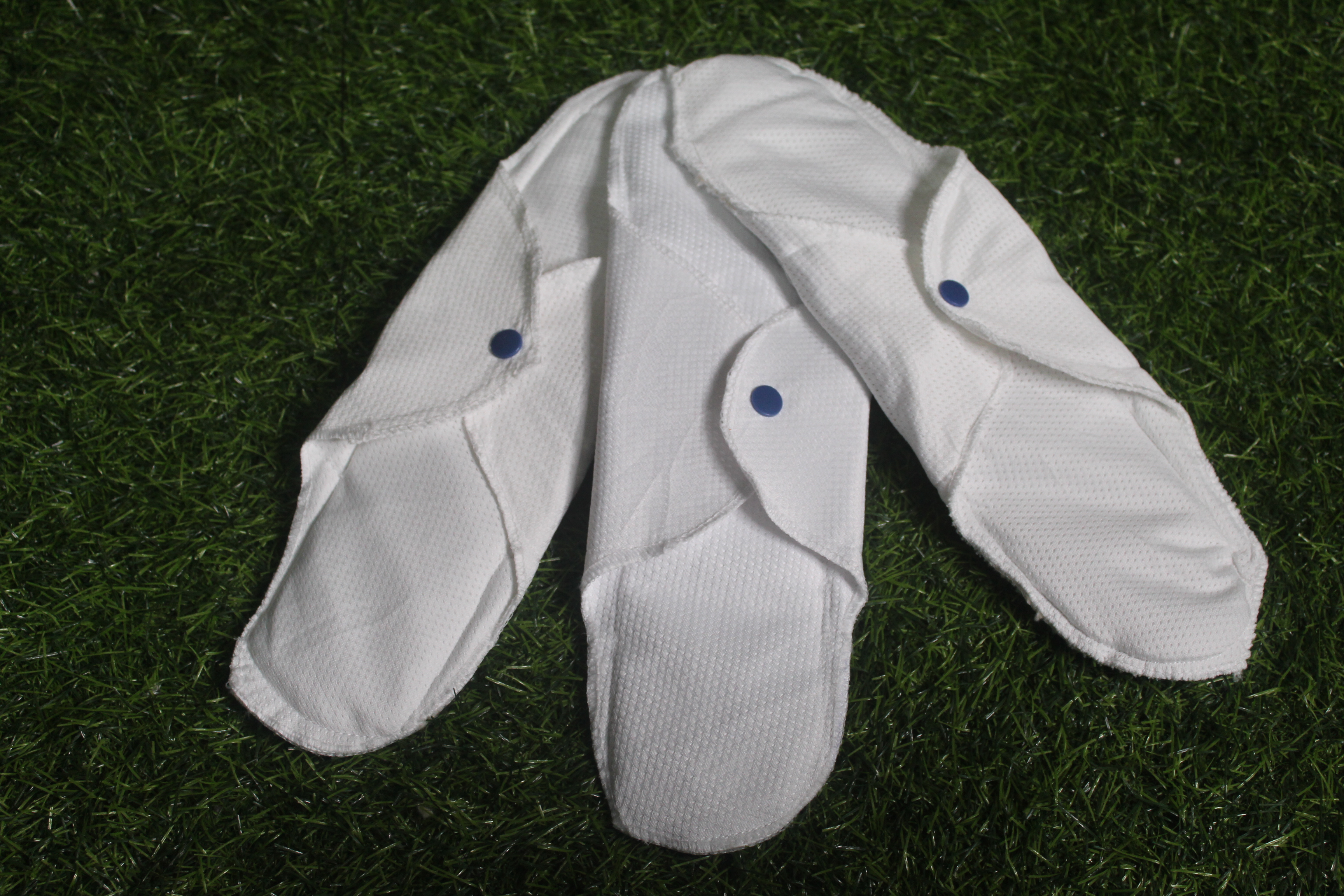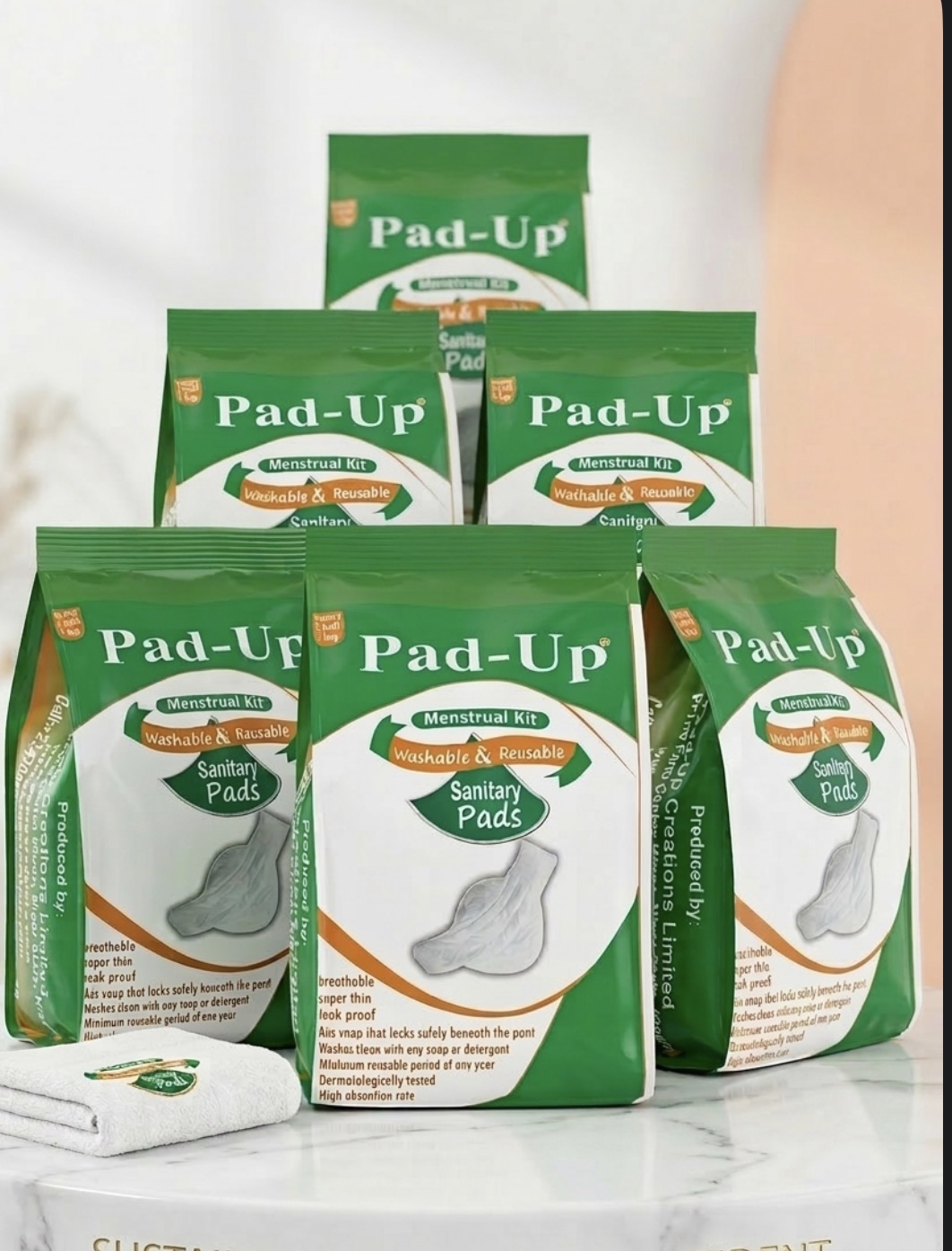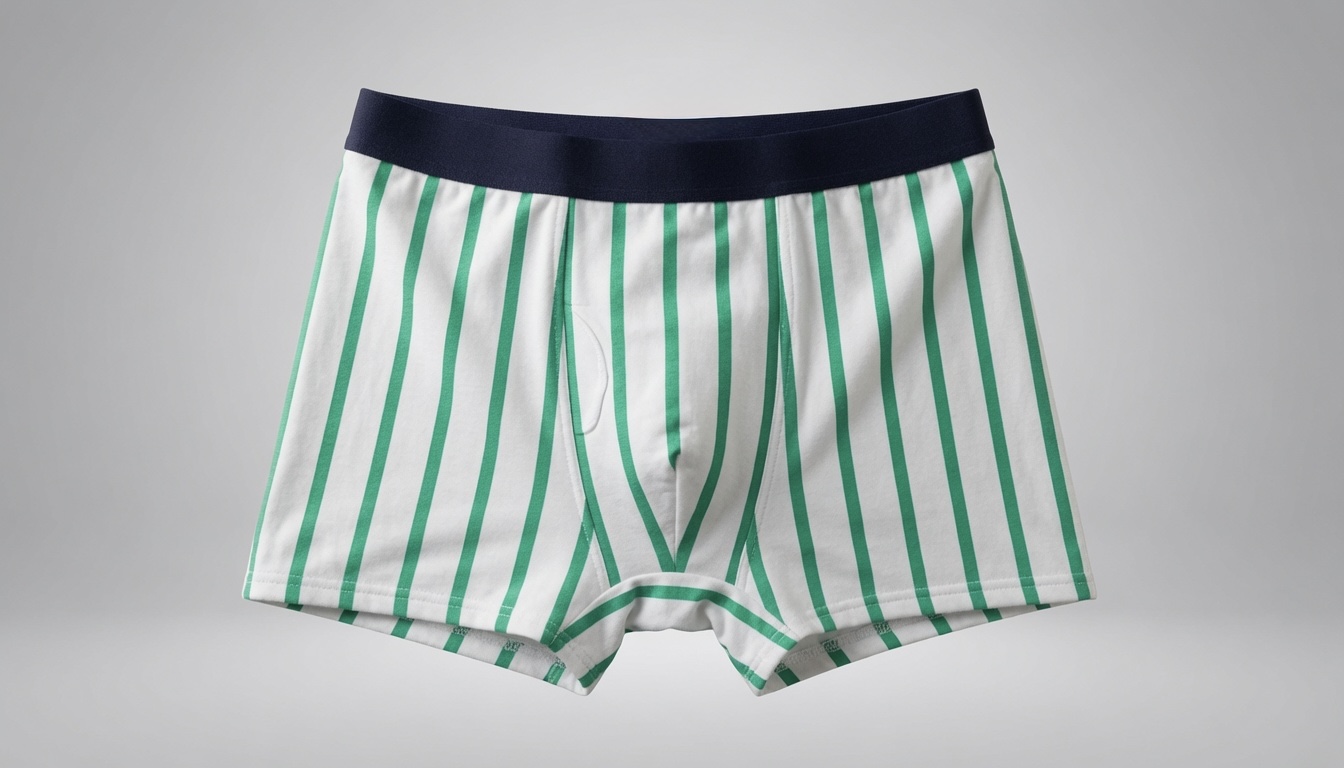
Incontinence affects many individuals due to changes in bladder function, medical conditions, or mobility challenges. Managing it effectively involves understanding specific needs, choosing appropriate protective products, and providing empathetic, dignified care. Follow this guide to select the right incontinence products and maintain an effective care routine.
Understand Protection Needs
Assess individual leakage levels, daily activity levels, mobility, and day/night requirements before selecting products.
Prioritise Comfort and Fit
Choose proper sizing and absorbency to prevent skin chafing or leakage; check manufacturer guidelines.
Maintain Hygiene Routine
Check protection regularly, change promptly when wet, clean gently, dry thoroughly, and apply skin-barrier products.
Support with Respect
Preserve privacy during changes, encourage self-care where possible, and speak to loved ones with empathy and respect.
Seek Medical Advice
Consult a doctor if leakage is new or worsening, or if accompanied by pain, fever, or sudden changes in symptoms.
Do
- Speak privately and involve the individual in decisions about their care.
- Check protection regularly and change promptly when wet or soiled.
- Clean the skin gently with a suitable cleanser or appropriate wipes and dry thoroughly.
- Use skin-protective barrier creams to prevent irritation.
- Follow the manufacturer's washing instructions for reusable incontinence products.
- Seek immediate emergency medical care for sudden urinary retention or loss of bowel control.
Do not
- Do not make jokes, blame, or make comments that cause embarrassment.
- Do not assume one product size or type fits every person's needs.
- Do not rub skin vigorously when drying after clean-ups.
- Do not leave wet or soiled protection on for extended periods.
- Do not accept incontinence as an unavoidable part of ageing without a medical assessment.