Supporting an aging parent with incontinence requires patience, empathy, and practical care strategies. Follow this guide to handle sensitive conversations, maintain good hygiene, monitor skin health, and select the right incontinence products for your parent's unique needs.
Approach the Conversation with Respect
Choose a private, relaxed moment, use gentle language, and listen without assumptions to discuss care options.
Understand Individual Needs
Assess how often leakage occurs, protection amounts, mobility levels, and your parent's daily routine and budget.
Choose Appropriate Protection
Select products based on comfort, fit, and mobility, ranging from absorbent underwear to adult diapers.
Establish a Practical Changing Routine
Encourage regular toilet visits, check protection at suitable intervals, and keep clean supplies within reach.
Seek Professional Medical Advice
Consult a healthcare professional if leakage is new, worsening, or accompanied by pain, fever, or signs of urinary tract infections.
Do
- Involve your parent in decisions about their care whenever possible.
- Clean the affected area gently with a mild cleanser or wipes and dry carefully.
- Change wet or soiled products promptly to protect skin health.
- Wash your hands before and after providing care.
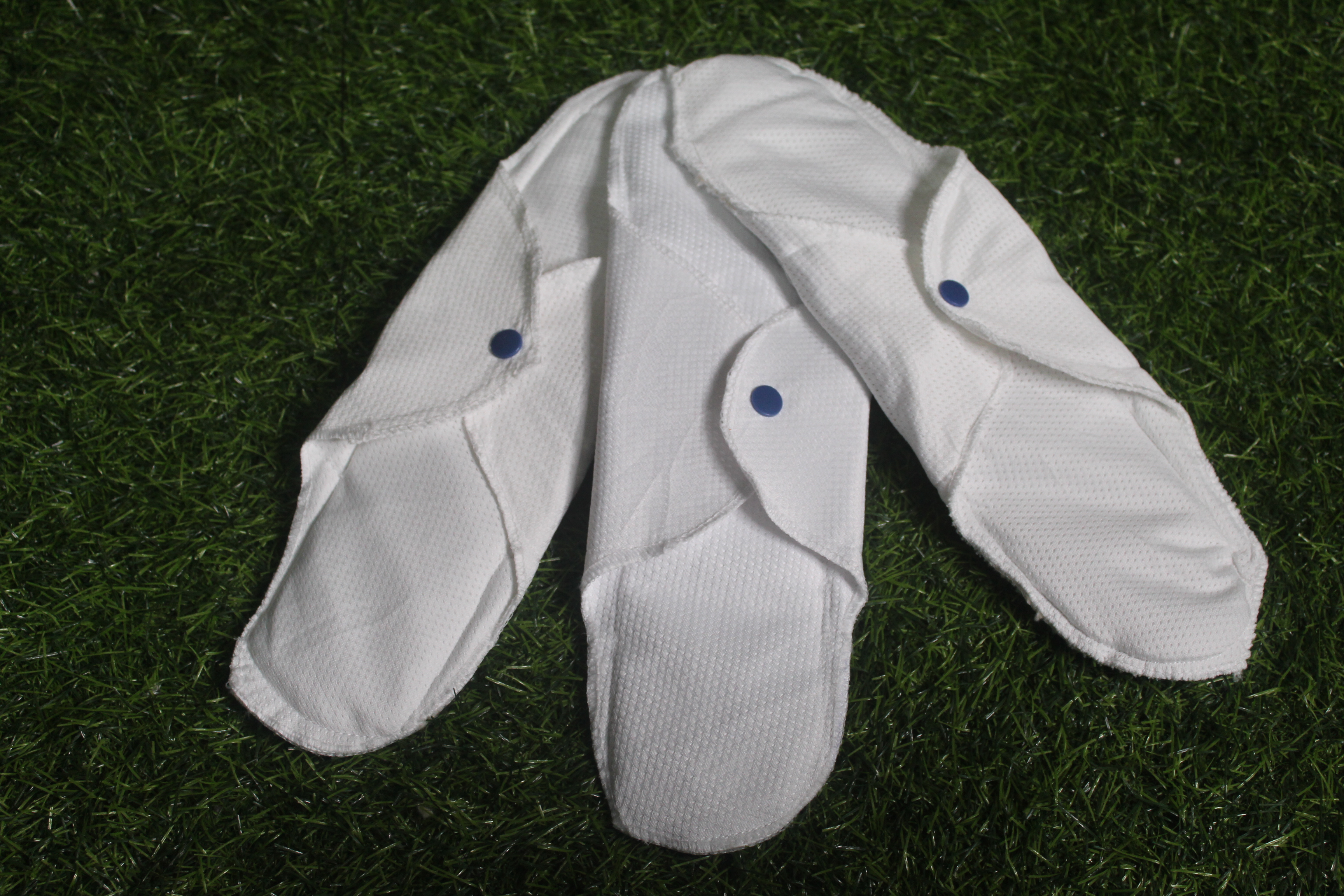
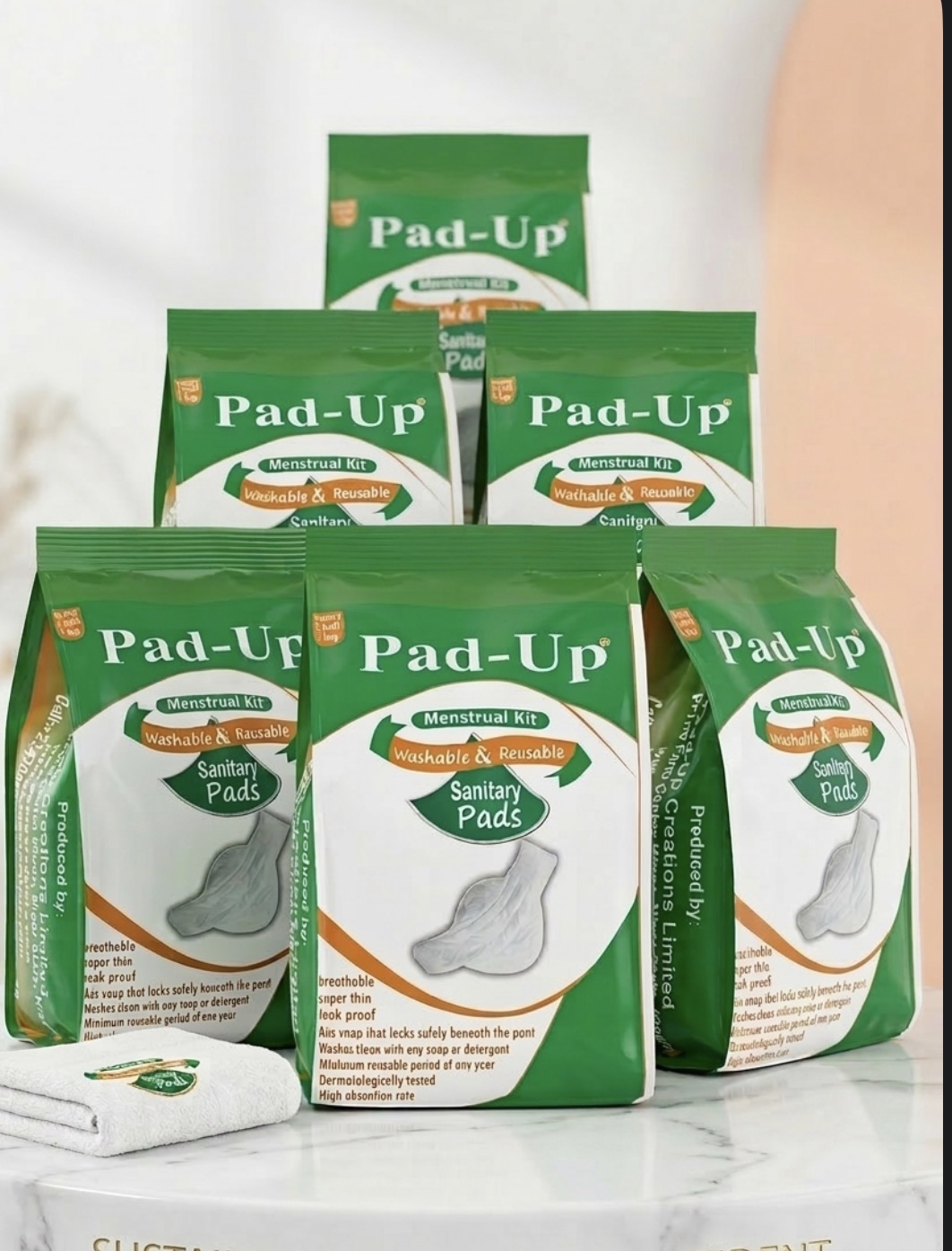
- Follow manufacturer instructions when washing and drying reusable products.
- Seek immediate emergency care for sudden urinary retention, severe abdominal pain, or loss of bowel control.
Do not
- Do not make jokes about accidents, express disgust, or discuss the condition in front of others without permission.
- Do not rub skin vigorously when drying after clean-ups.
- Do not treat incontinence products as a substitute for medical evaluation when symptoms are new or worsening.
- Do not dismiss incontinence as an unavoidable part of getting older without checking for underlying causes.